In the age of the algorithm, where identity is currency and every artist is asked to sell a face, No Good Kid has chosen the opposite. A designer, art director, and creative producer with fifteen years in branding and marketing, he works behind a bandana and a pseudonym, collaborating with authors, publishers, and independent artists to help complex ideas reach a broader audience. He is not the name on the cover. He is one of the people in the room helping shape the project from the inside.
His path began in the commercial arts, with fifteen years of building brand identities and marketing campaigns before Bitcoin ever entered the frame. That changed in 2020, when he encountered Bitcoin through the lens most newcomers arrive through: as a store of value, an escape hatch from the fiat treadmill. He attended meetups, then conferences, expecting to find a technology community. What he found was culture. “I realized there was something beneath all the investing and technology talk,” he writes, “a culture I felt I’d been looking for my whole life.”
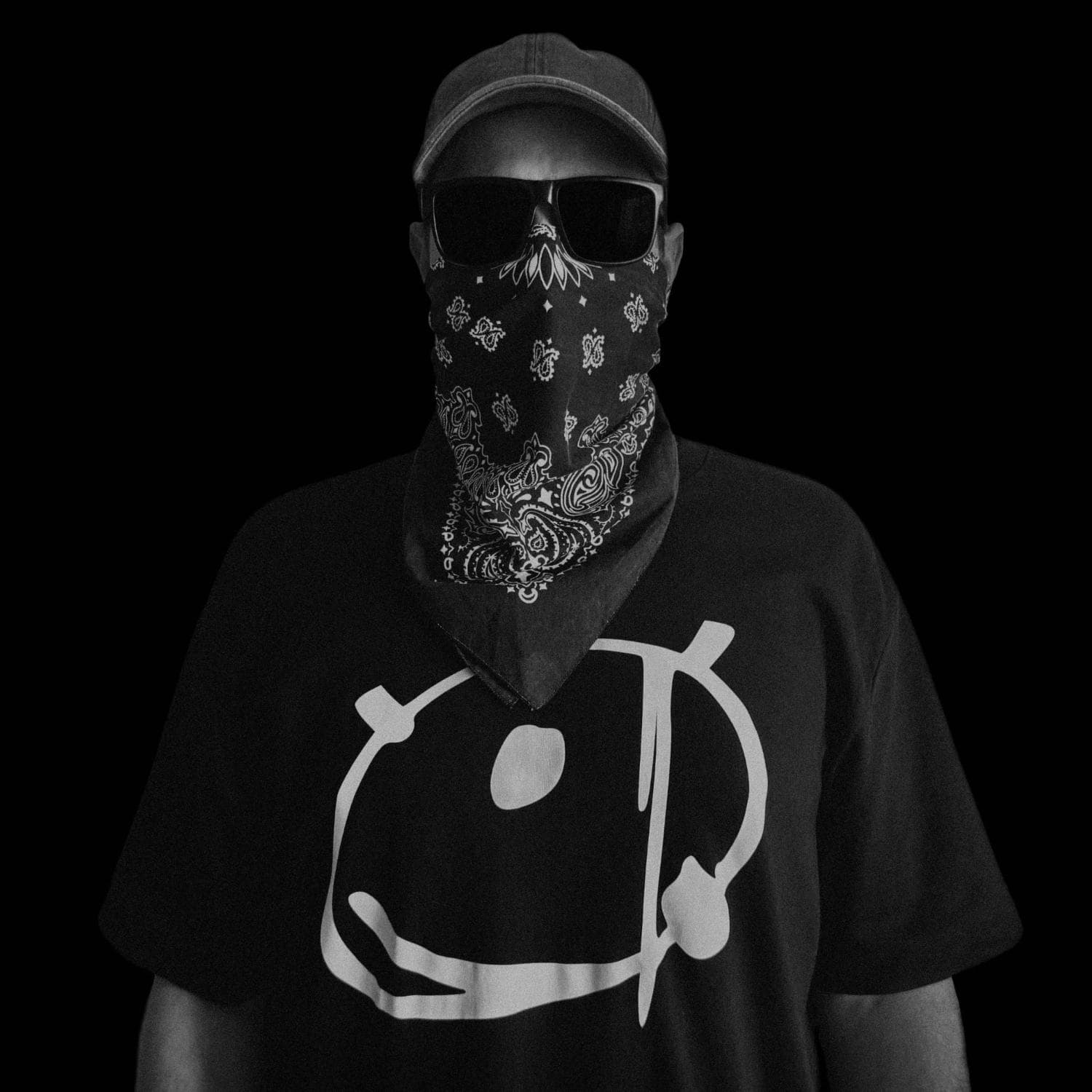
The distinction he draws about his own work is a rare kind of humility in a field that rewards ego. “If van Gogh created a hundred brand identities, they would probably look very similar. An artist is someone with one specific style of work. That’s not me.” He describes his role as producer, closer to how a music producer works with a recording artist. The project sets the direction; he shapes it toward its fullest expression. He coordinates editors, manages physical production, contributes claims and campaign ideas, and lifts a book or a zine or a piece of packaging beyond its surface. The credit lives on the cover with someone else’s name. That is by design.
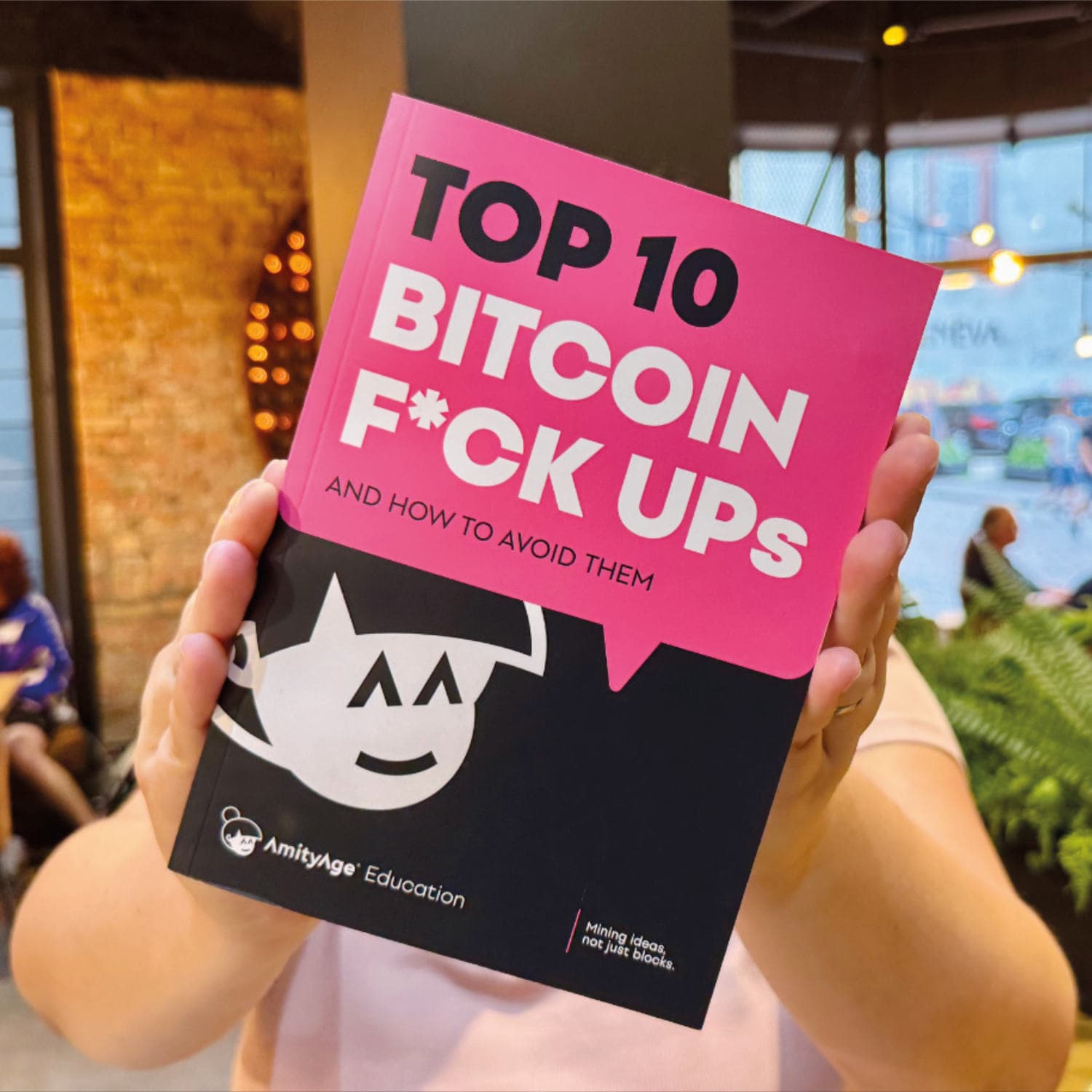
His work in the space has taken shape mostly in collaboration with authors and educators building outside the mainstream. For Dušan Matuška and the AmityAge team, whose Bitcoin Educators Academy has trained a generation of global Bitcoin educators, No Good Kid designed Top 10 Bitcoin F*ck Ups, written by Matuška, a guide for beginners to avoid the most common mistakes on their way down the Bitcoin rabbit hole.
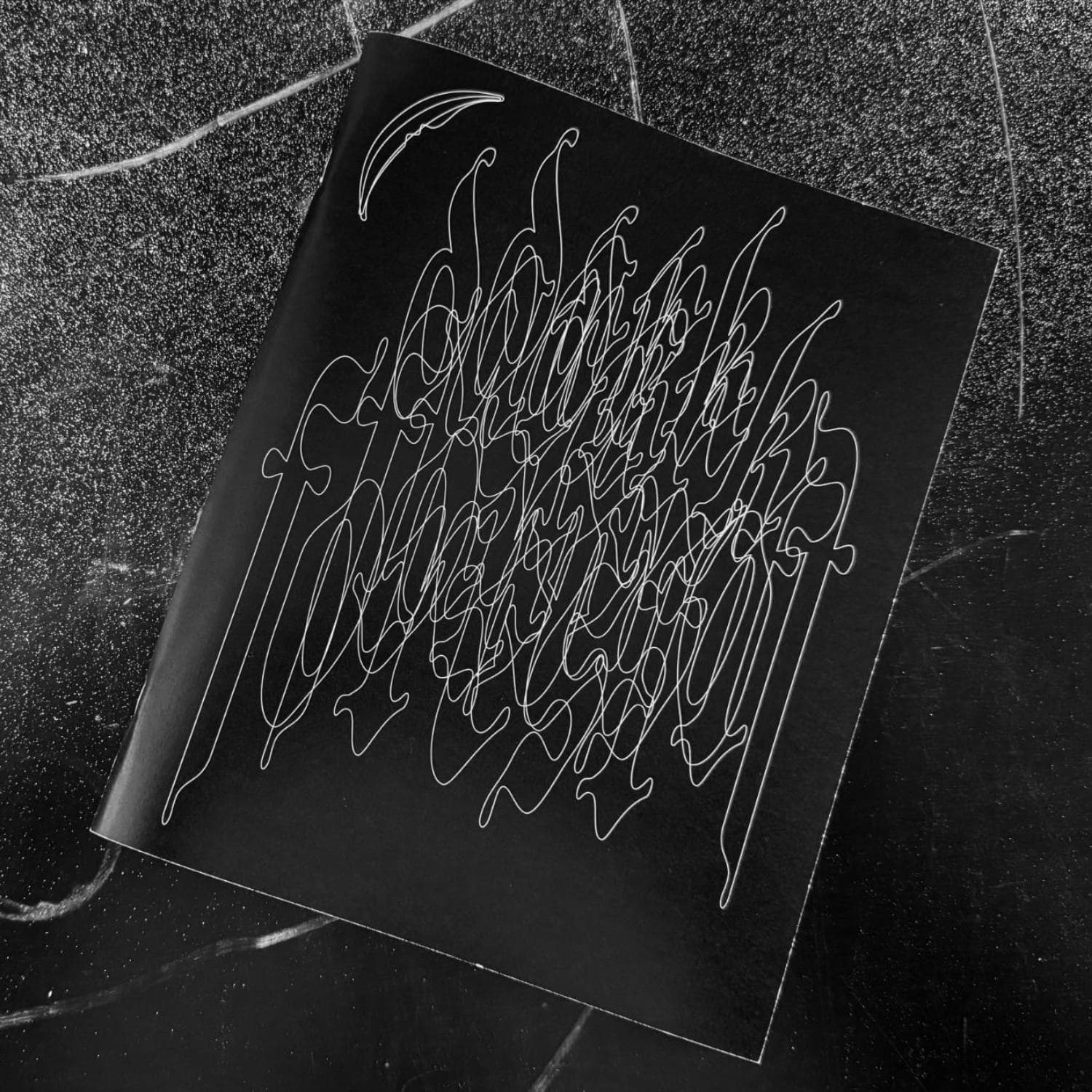
Not every doorway into the Bitcoin space felt open to him. The famous cypherpunk line, “cypherpunks write code,” landed as an exclusion. He is not a coder, and does not pretend to be. What arrived next was the term lunarpunk, articulated to him by the Slovak cypherpunk author Juraj Bednár. Lunarpunk, in Bednár’s framing, was less an implementation than a culture, a model for society built on peer-to-peer interactions, private communication tools, independent money, and the ability to transact without permission. For No Good Kid, the door opened. He designed the Dark Forest zine, a collaboration featuring an essay by Peter Horváth and poetry and photography by the analog podcaster and artist bitpunk.fm, translating an emerging subculture’s inner language into a visual object a broader audience could hold.
The fullest expression of that lunarpunk practice arrived in 2026, when juraj & lisa published Tamers of Entropy, described as a lunarpunk novel but conceived as a full conceptual project. The book became a universe. Premium editions arrived in evidence-bag packaging, sealed for authorized eyes only. Characters from the story continued to post in character on Nostr, their profiles live and responsive to readers who chose to engage. No Good Kid produced and art-directed the project across the entire ecosystem, from the typography of the printed page to the packaging that makes each premium edition feel like contraband smuggled from a nearby future.

Read across the body of work, a thesis emerges. “I got lucky when Juraj Bednár, my personal hero, invited me to handle the creative side of some of his projects,” No Good Kid writes. “They were written without much technical lingo, and he did a great job explaining deep cypherpunk ideas in a way a normal homie could understand. I then designed them in a way that would feel familiar to cypherpunks, while still being attractive to the homie. That’s how I see myself contributing to lunarpunk culture. Breaking down the boundary between the techy way of presenting things and more or less normal people’s taste, making it appealing to both sides.”
“Today I’m most interested in building culture around Bitcoin and Nostr that puts people before technology.”
Bitcoin For The Arts is proud to feature the artists most essential to the movement’s next decade, including the ones whose work the algorithm cannot easily surface. Musicians, painters, and choreographers get their names on the ticket, and that is right. Designers, producers, and art directors more often do not. In No Good Kid, BFTA finds a collaborator whose craft is in service of the story others are trying to tell, and whose thesis about people, culture, community, and the emerging world of Bitcoin and Nostr fits our own without needing translation.
Discover more of No Good Kid’s work with AmityAge, Tamers of Entropy, the Dark Forest zine, and his broader body of design and creative production.