In the ceaseless churn of New York’s art scene, where provocation often trumps subtlety, Hitomi Matsui emerges as a rare voice of contemplative restraint. Born in Osaka, Japan, and growing up amid the economic bubble, Matsui witnessed the dizzying highs of prosperity and the sobering lows of stagnation that followed. This duality, etched into her worldview, propelled her into a life of nomadic exploration: backpacking across Asia in the 1990s, absorbing the raw mechanics of survival and value in disparate societies. Since settling in New York in 2000, she has channeled these experiences into a practice that deftly interrogates the invisible architectures of our digital age—systems of money, algorithms, and sovereignty—through the unassuming lens of a white cat named Nekosan.
Matsui’s encounter with Bitcoin in 2020 was less a thunderclap than a gradual illumination. “I was trying to understand how money and financial systems really work,” she recounts in a recent written exchange. What began as casual curiosity evolved into a profound revelation: Bitcoin as a decentralized, peer-to-peer network echoed the self-reliant ethos of her family’s traditional small business in Japan. Eschewing centralized authority felt instinctive, a natural extension of the economic realities she had navigated. By 2022, this fascination had infiltrated her art, leading to exhibitions at major Bitcoin conferences in Miami and Las Vegas, as well as international venues. Her installations, often rooted in Bitcoin culture’s memes and narratives, marked her as an insider rather than an interloper—a creator whose practice bloomed within the ecosystem.
Initially grounded in analog processes like felt sculpture, Matsui’s work took a pivotal turn with Bitcoin’s influence. One standout piece, a hand-sewn felt recreation of a McDonald’s inspired by a viral Bitcoin meme, captured the absurdity and profundity of internet culture. Featured in The Wall Street Journal, it exemplified her knack for translating ephemeral digital phenomena into tactile, enduring forms. Yet, as AI, algorithmic dominance, and inflationary forces accelerated, Matsui sensed Bitcoin’s symbolism alone couldn’t encompass the era’s complexities. “Bitcoin symbolically alone was not enough to express the full complexity of our digital society,” she explains. This epiphany birthed Nekosan, a holographic white cat shuttling between New York and Osaka, observing the mundane with quiet wisdom.
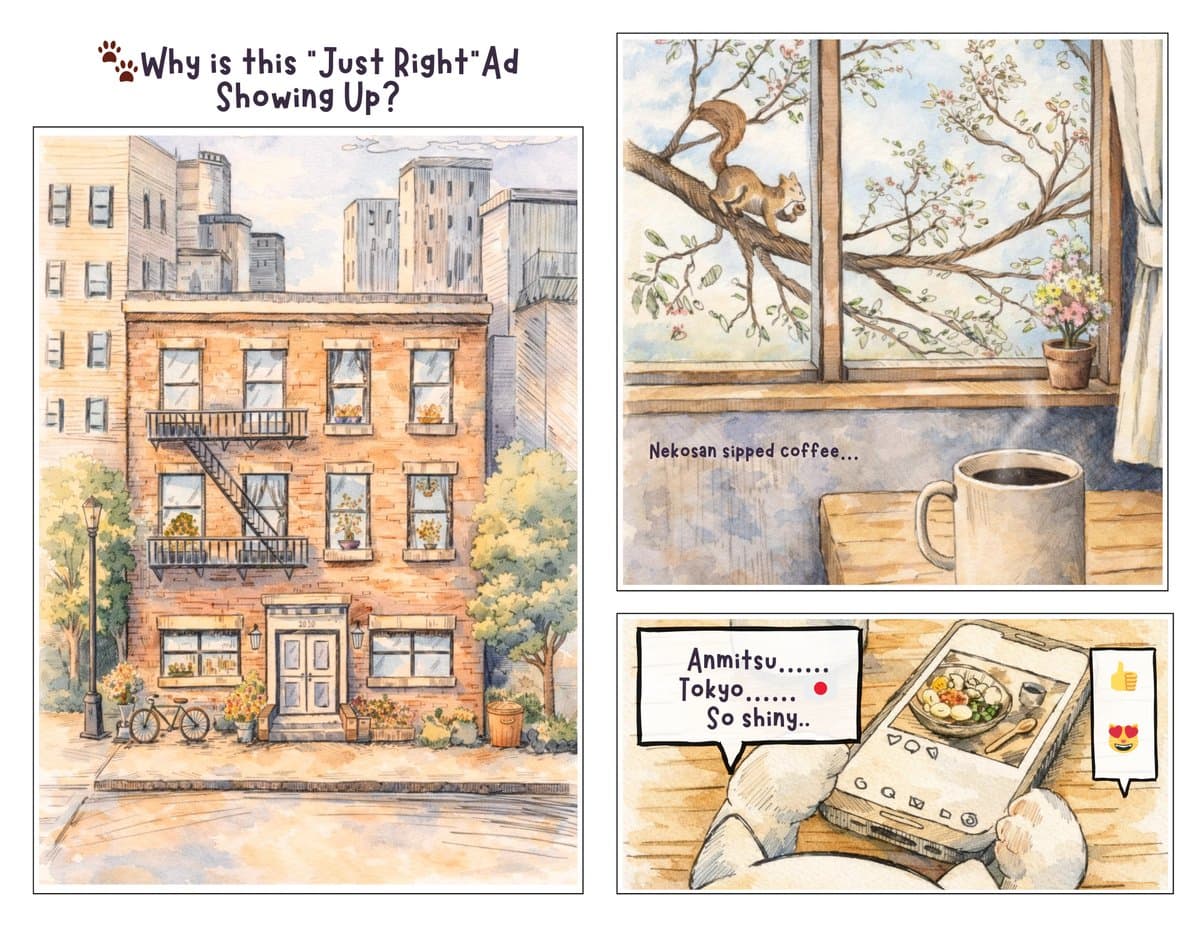
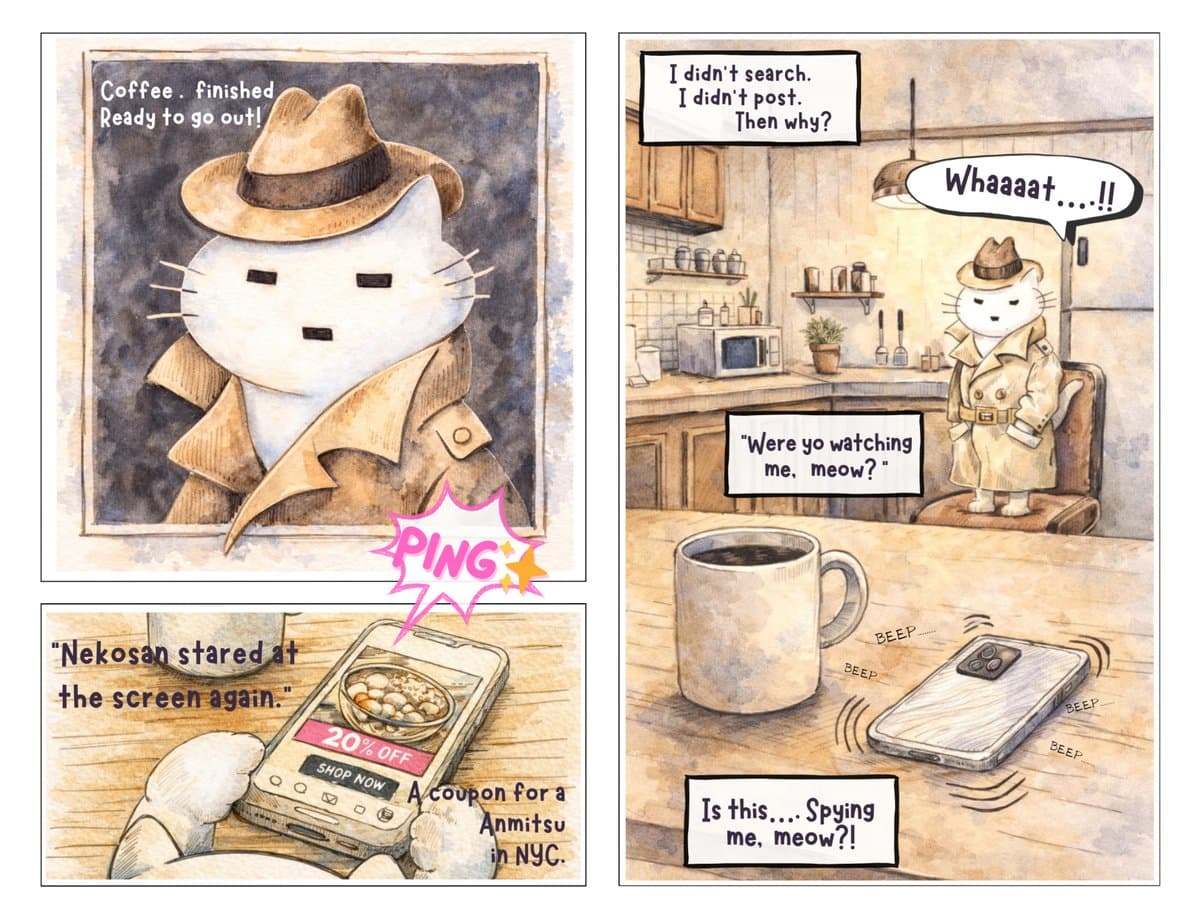
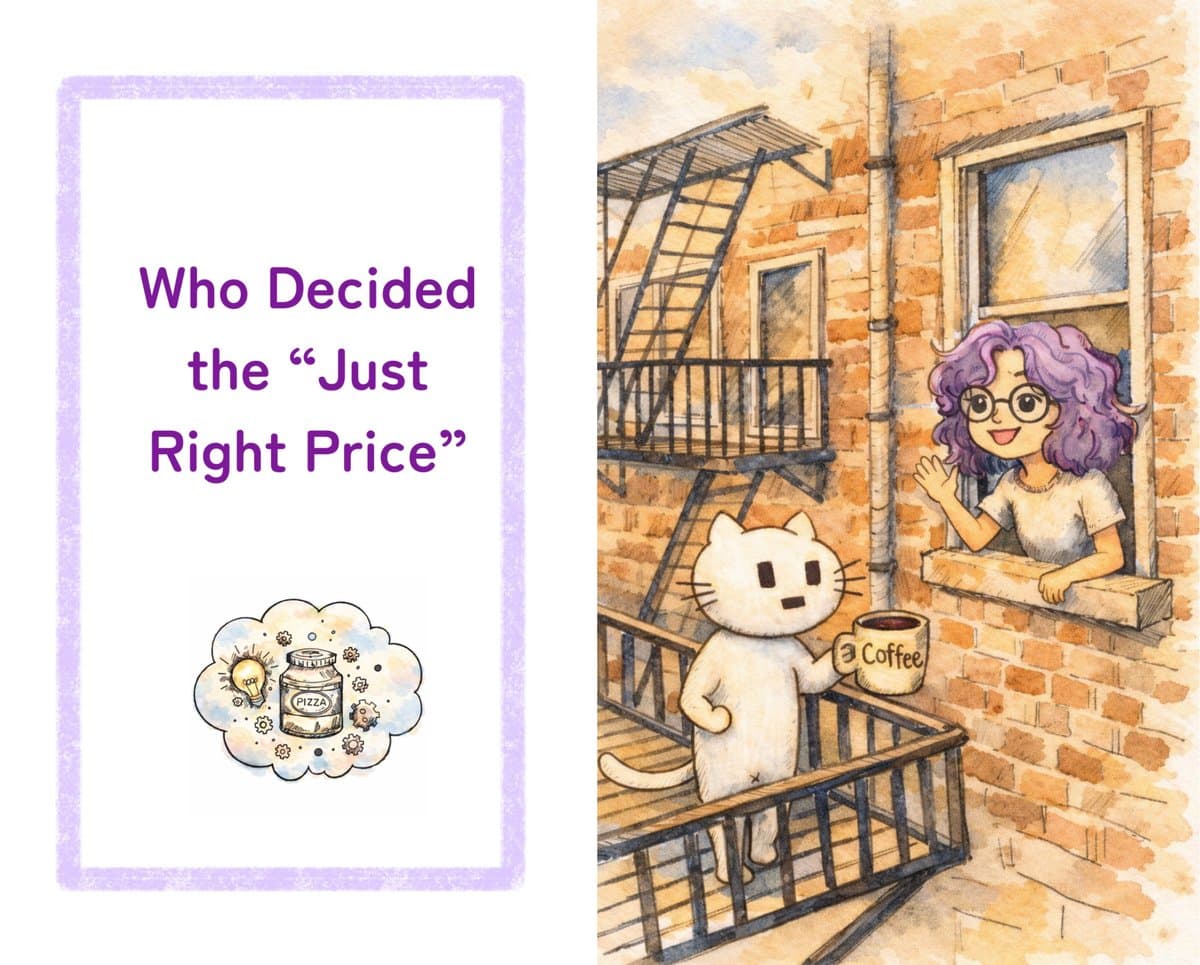
Nekosan, inspired by Matsui’s own cat Pablo, is no mere whimsy. Through illustrated vignettes—sipping coffee, pondering targeted ads, or musing on value storage from cash to Bitcoin—the character distills thorny concepts into relatable human (or feline) stories. Her portfolio at hitomimatsui.com further reveals Nekosan’s roots in Japanese concepts like ichigo ichie (treasuring fleeting encounters), often through meals and cultural rituals that underscore transience in a hyper-connected world.

What elevates Matsui’s oeuvre is its subtle assertion of sovereignty. In an art market riddled with gatekeepers, she leverages Bitcoin’s ethos to forge direct connections with collectors and collaborators, bypassing traditional institutions. “Bitcoin introduced me to a global community that operates outside many traditional art structures,” she notes. This shift fosters innovation: from felt memes to narrative essays on digital systems, her practice embodies self-reliance. Challenges abounded—grappling with Bitcoin’s jargon and culture felt overwhelming at first—but breakthroughs came in viewing it as a cultural phenomenon, ripe for artistic reinterpretation.
Philosophically, Bitcoin has reframed Matsui’s lens on independence. “It helped me understand money not just as something we use every day, but as a system that influences politics, economics, and individual freedom,” she says. Nekosan, then, becomes a bridge: for Bitcoin novices, a gentle entry into its ideas; for veterans, a mirror to the emotional tensions of digital life.
“Approach Bitcoin with curiosity rather than expectation… It offers a community that is open to experimentation and new forms of cultural expression.”
As Matsui advises fellow artists: “Approach Bitcoin with curiosity rather than expectation… It offers a community that is open to experimentation and new forms of cultural expression.”
In Nekosan’s quiet gaze, Matsui captures the discomforts and hopes of our era—not with bombast, but with the soft persistence of a cat padding through rain-slicked streets. Hers is art as observation, a vital counterpoint in a world of noise, reminding us that true sovereignty begins with seeing the unseen. As Bitcoin heralds a civilizational shift, Matsui’s evolving body of work interprets it not as trend, but as timeless inquiry.
Discover more of Hitomi Matsui’s illustrated vignettes, Nekosan stories, and exhibition work.